Acto is predictive sales software for wholesale distributors. Every night, it reads your ERP and CRM data and scores every customer with machine learning models trained on your business. AI agents then check each result for relevance before it reaches your sales team. What comes out is a short list of high-precision signals, each with a one-sentence reason.
Orders cable raceways every six weeks. Nothing for nine weeks.
This is what an Acto signal looks like day to day. One order line from the ERP, followed all the way to Thursday’s customer visit.
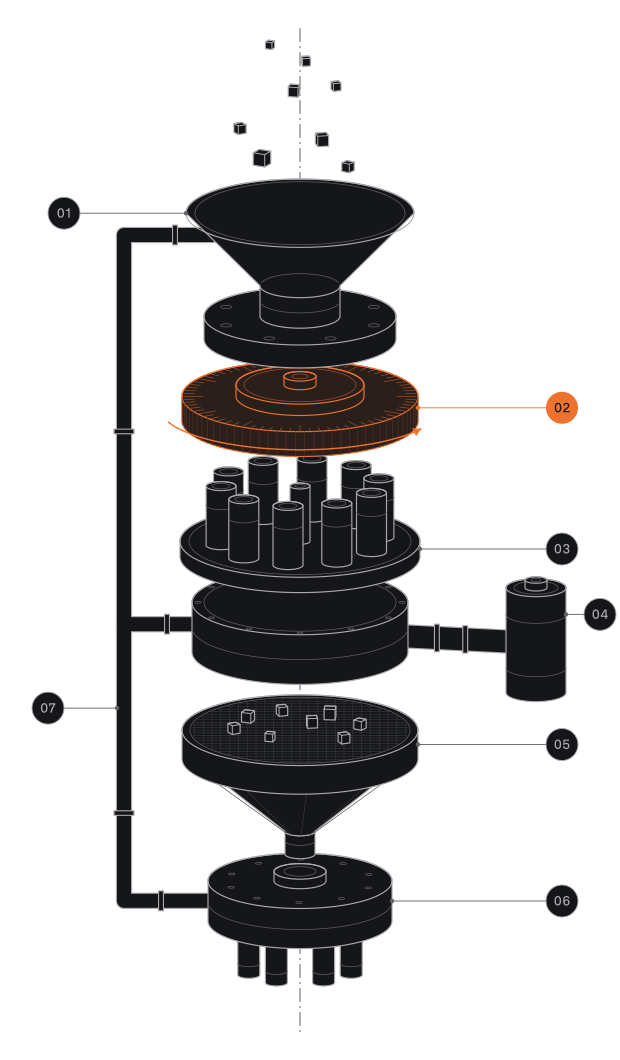
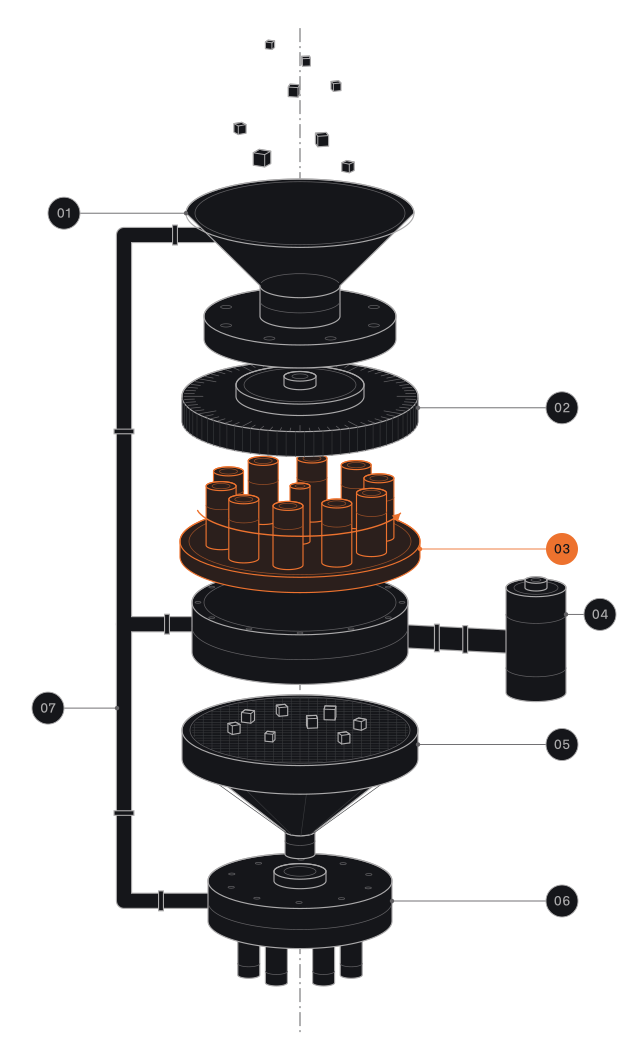
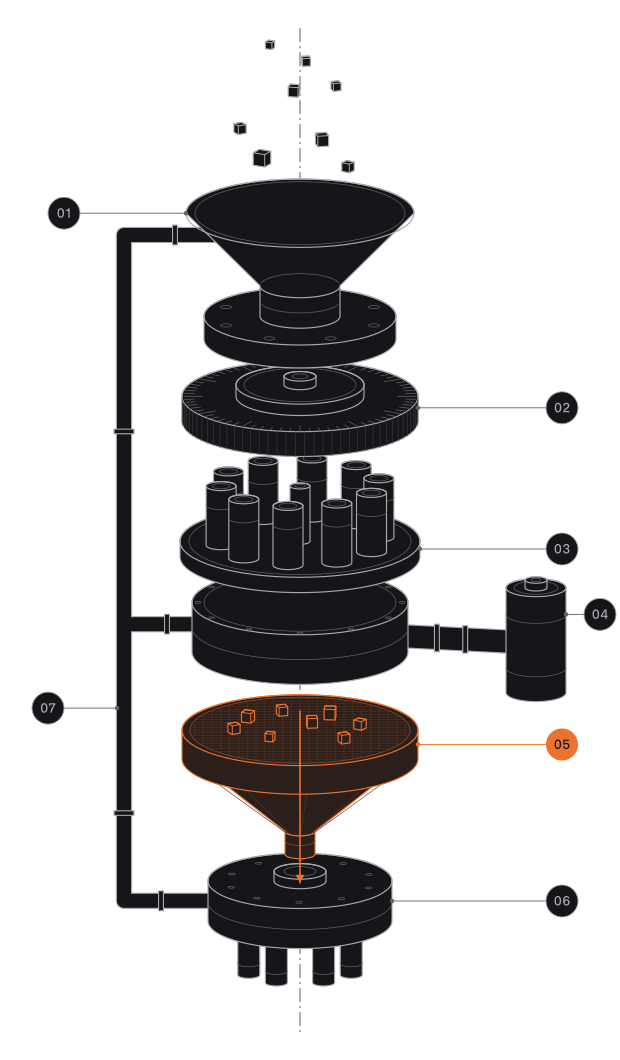
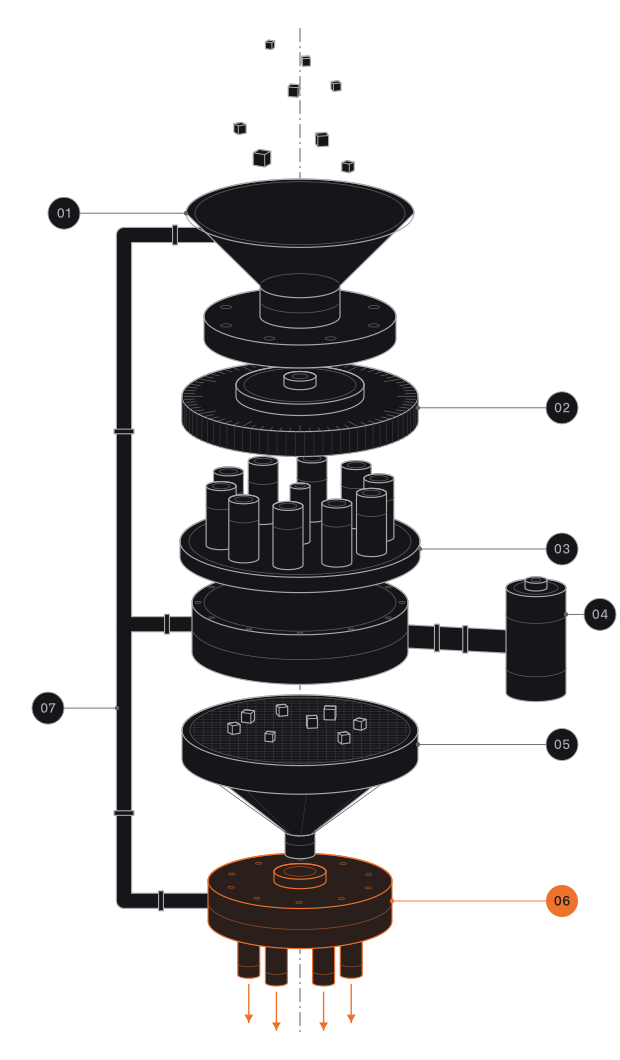
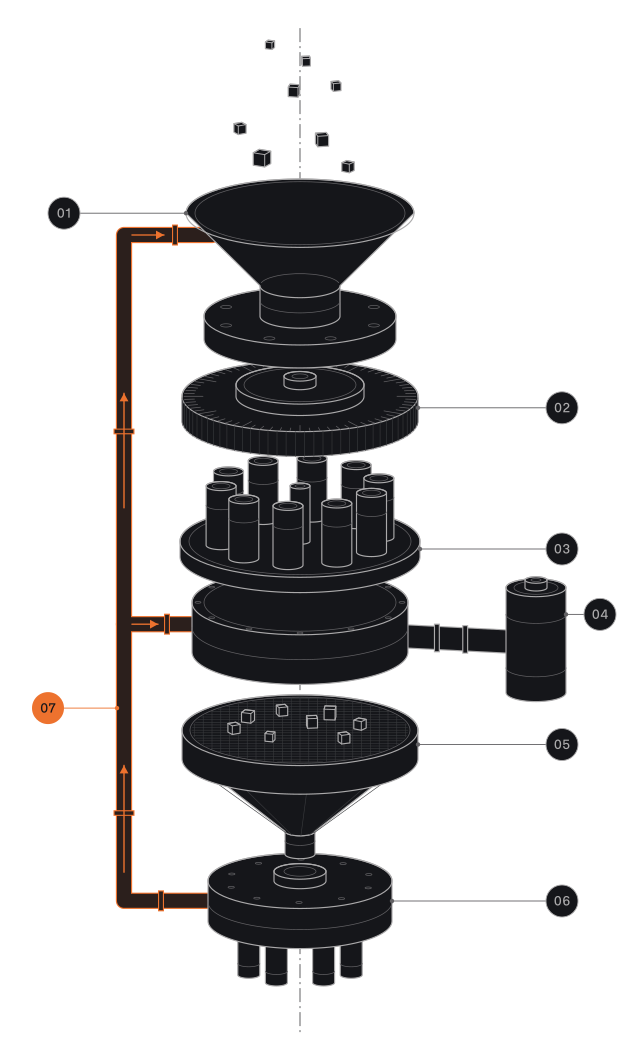
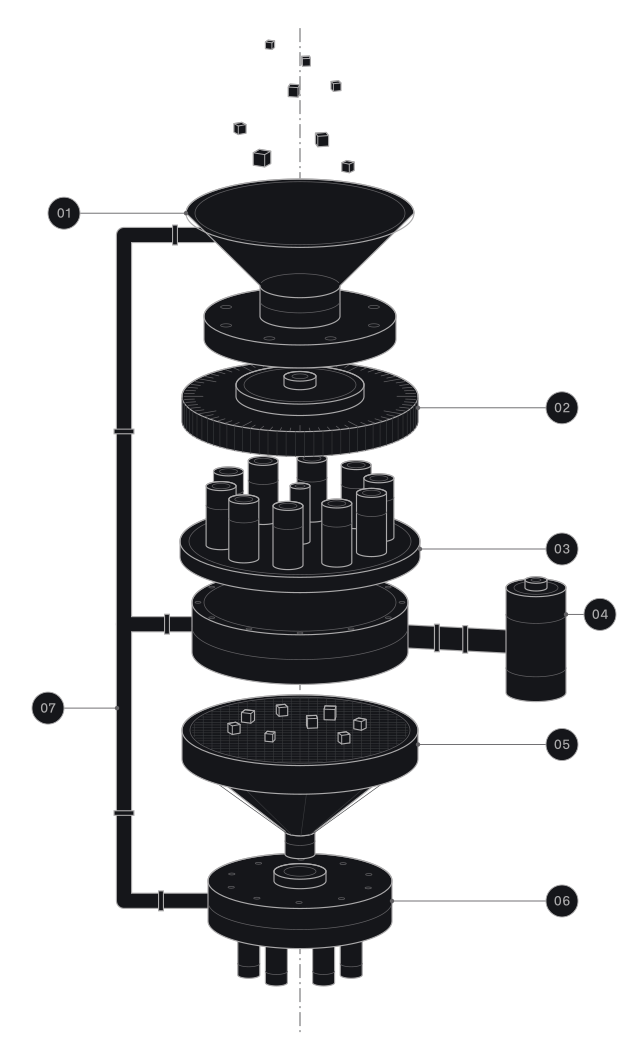
Acto is built like a sieve tower. Every order line goes in at the top. Each stage measures, scores, and adds context with predictive models, and only a few signals come out at the bottom. Feedback from the sales team flows back in through the return loop.
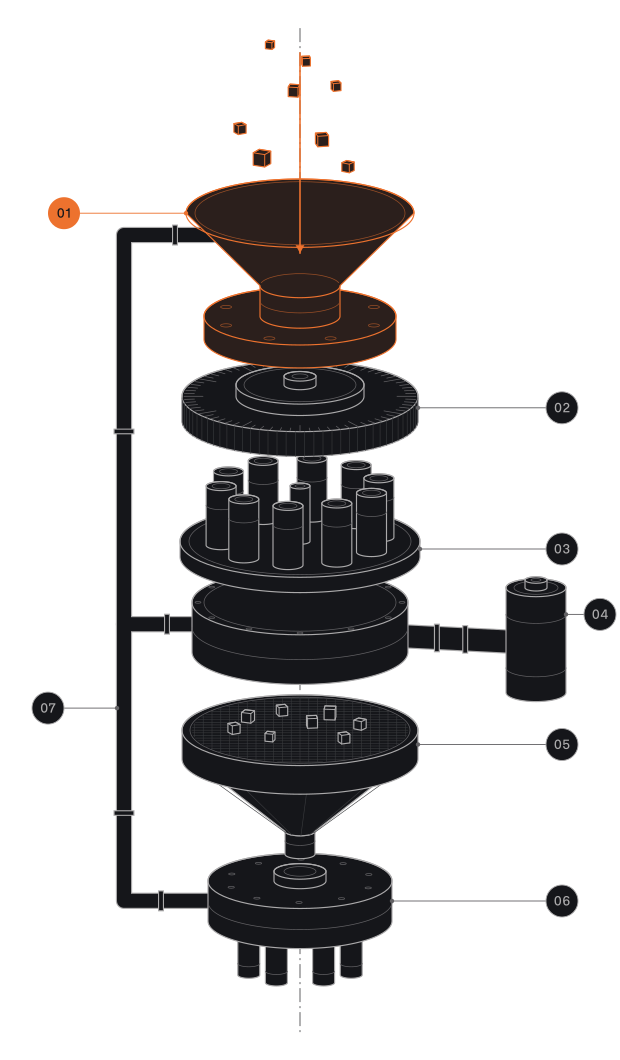
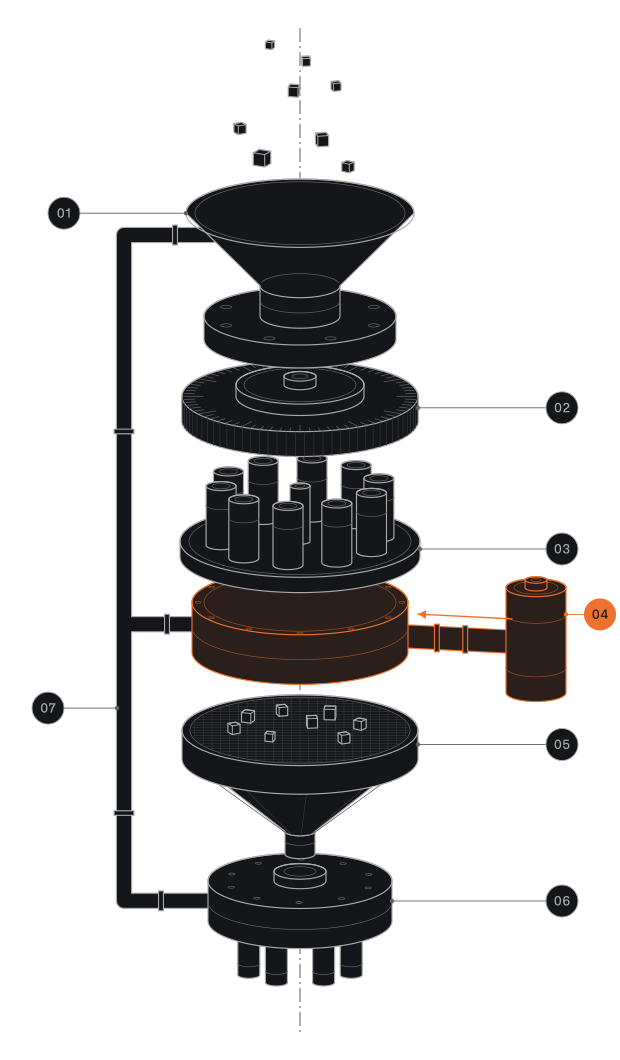
Acto takes what already sits in your systems. No new system of record, no duplicate data entry.
Purpose-built algorithms turn buying behavior into product-level metrics, measured against each customer’s own history and against similar customers.
Machine learning models score every customer, from customer churn prediction to cross-selling. Each customer gets a ranking by probability and expected revenue.
In parallel, Acto gathers what the order data does not show. A large language model (LLM) processes text such as CRM notes.
The agents put model output and context side by side. Anything that does not justify action right now stays in the sieve.
Each signal arrives with its reason where the sales team already works, every morning or right before the visit.
Orders cable raceways every 6 weeks. The last order was 9 weeks ago.
Cable raceway reorder, plus fastening supplies as an add-on.
Whatever happens in sales goes into the next nightly run.
“Ordered cable raceways. Wants to add drill bits to the range, follow up in spring.”
Each sales prediction is calculated against the customer’s own history and, where it fits, against similar customers. A selection from each group:
of delivered signals are marked relevant by the sales team at Schäfer Shop.
The reason is our combination of algorithms, feedback, and real business context, which keeps improving over time.
Order data shows what happens. The why often sits in visit reports, in your sales team’s knowledge, and in your company’s rules. Acto brings both together before an alert reaches field sales.
Algorithms, machine learning models and AI agents work through every customer before a signal reaches your sales team.
Field reps only see the result: which customer, why, and what to bring up. In Outlook, in the CRM or in the Acto app.
Field sales app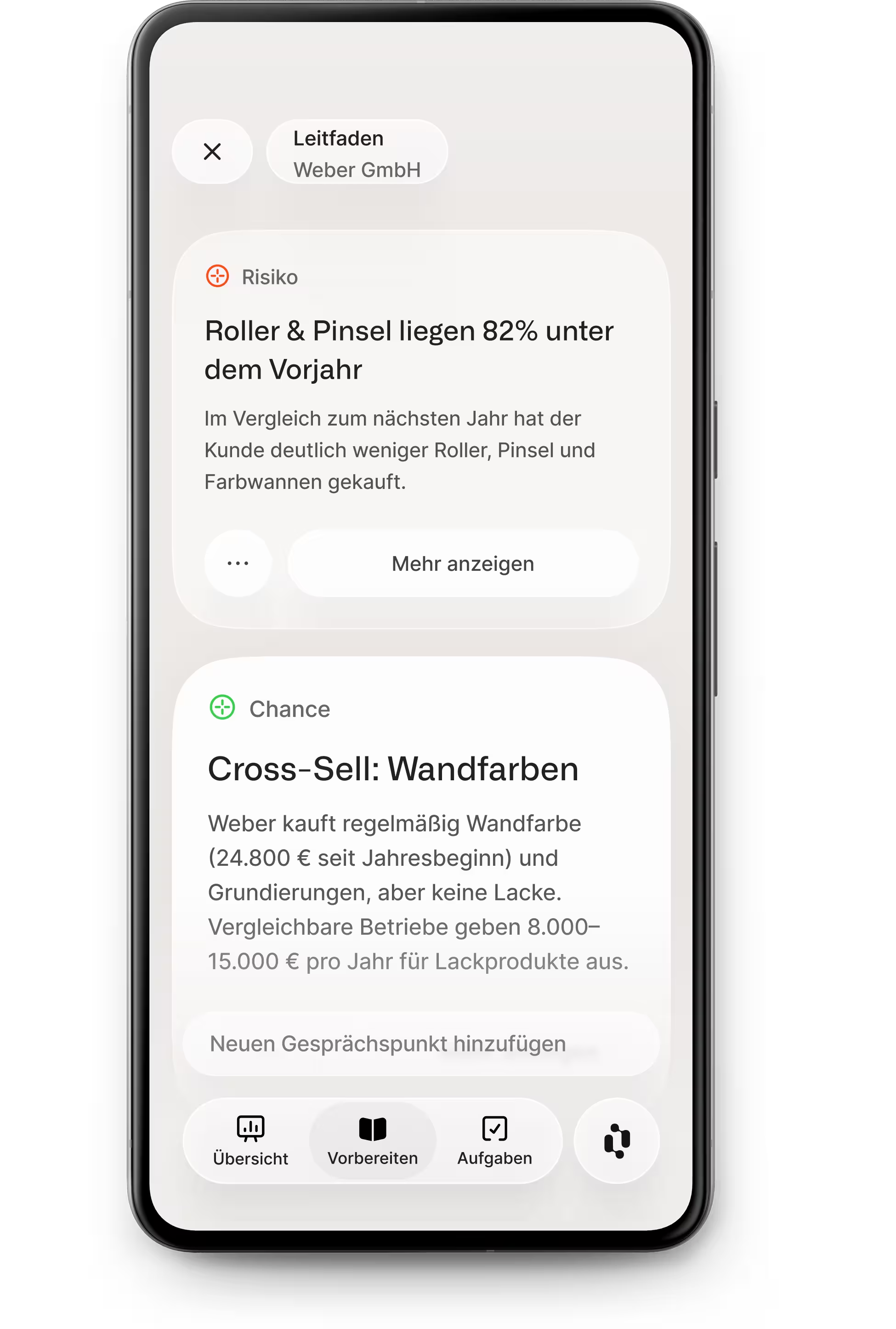
Predictive sales software uses your existing sales data to forecast which customers are likely to churn, which are due to reorder, and where cross-selling potential sits. Acto runs these predictions every night on your ERP and CRM data and gives your sales team a short reason for each one.
A CRM stores what happened, and a dashboard displays it. Both need someone to dig through them. Predictive sales software does the analysis itself, checks the results for relevance, and delivers a few signals where your sales team already works: in Outlook, in the CRM, or in the Acto app.
Acto is up and running in 4 to 6 weeks. Your IT team sets up data access once, usually through an export or an exchange server, which takes about three days. After that, the models run automatically every night.
Language models work where text is involved: processing CRM notes, running the AI agents’ relevance check, and writing the reason. Whether a customer is slipping or has potential is calculated by machine learning models on your transaction data.
A dedicated machine learning model estimates each customer’s probability of churning (customer churn prediction). It analyzes order quantities and missed purchases, and measures the customer against their own history and your entire customer base. Before this turns into an alert, Acto checks the context. If the customer has announced a vacation closure, for example, no alarm goes out.
The features are built on wholesale distribution logic: replenishment, assortment structure, seasonality. Each customer is measured against their own history and, where it fits, against similar customers in your data, grouped by industry, purchasing volume, and order frequency.
They reject it and give a reason. The rejection applies only to that one customer, and the reason feeds into that customer’s next score as context.
The transition is smooth. Acto keeps running on your current system and is switched over to the new ERP once the migration is done. There is no second data project in the middle of your migration.
Your data is stored in Frankfurt, Germany, and processed in compliance with the GDPR. The language models run in data centers within the EU. The predictive models are trained only on your company’s business data, without personal data and without mixing in data from other customers. The language models are general-purpose models and are not retrained on your data.
See in 30 minutes how Acto works, with examples from your industry.
Distributors that work with Acto grow revenue per field sales rep through more upselling and cross-selling, less churn, and more time with customers.